
Physics working for leather
An efficient vacuum dryer balances platen sealing, heat, suction and condensation. Danese supplies parts for multi-platen leather vacuum dryers and supports tanneries in assessing the cycle. The aim is controlled water removal while limiting thermal stress on leather.

How vacuum drying works
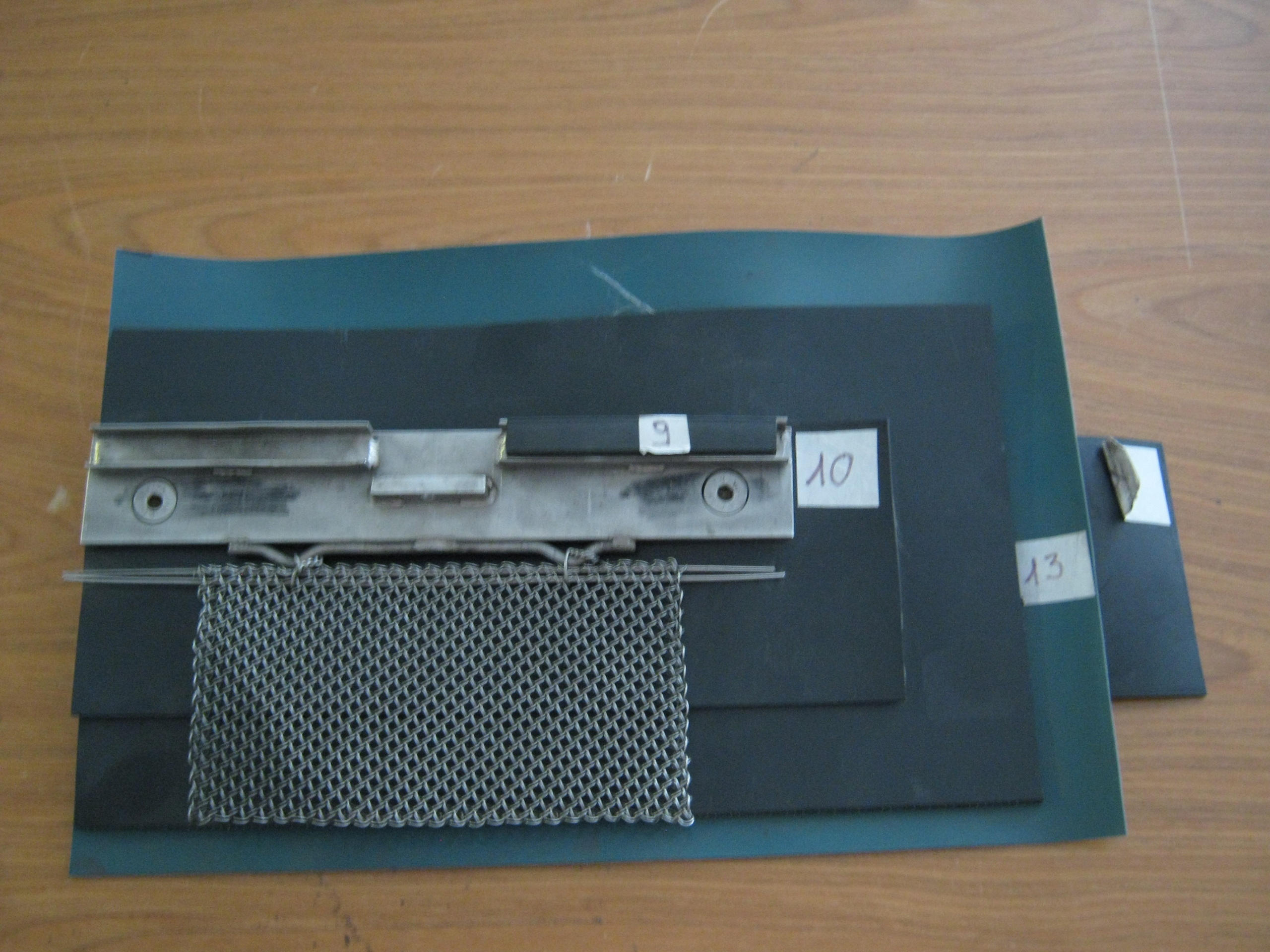
Leather is spread on the heated platen. On closing, perimeter seals make the working chamber airtight; meshes and the cover form the upper assembly and allow vapour flow according to the machine design. The pump removes air and reduces absolute pressure. Water can then evaporate at lower temperatures than at atmospheric pressure.
Vapour passes to condensers, where heat exchange with cold water turns it back into liquid. A large vapour volume becomes a much smaller volume of condensate. This is controlled drying: platens, seals, the vacuum group and the condensing circuit must work together.
Meshes, covers and perimeter seals
We supply fine meshes, double crossed meshes, covers and perimeter seals, selected for platen dimensions and configuration. Damaged seals admit air; worn or unsuitable meshes can affect assembly performance. Mesh tensioning rods and hooks are also available.

TRVX vacuum pumps and blowers
Our range includes TRVX liquid-ring vacuum pumps and blowers for the suction group. A correctly matched blower can improve system operation within its design conditions. Selection depends on required absolute pressure, flow, vapour load, condensation and service water conditions. Adding a blower alone does not guarantee any chosen vacuum level.


Valves for vapour and vacuum control
We can supply valves, solenoid valves and pneumatic valves for vacuum dryer circuits, including normally closed or normally open spring-return versions. Connections, materials, function and rest position must match the machine circuit. Water pumps, timers and components identified by code or sample are also available.
Slickers and leather preparation accessories
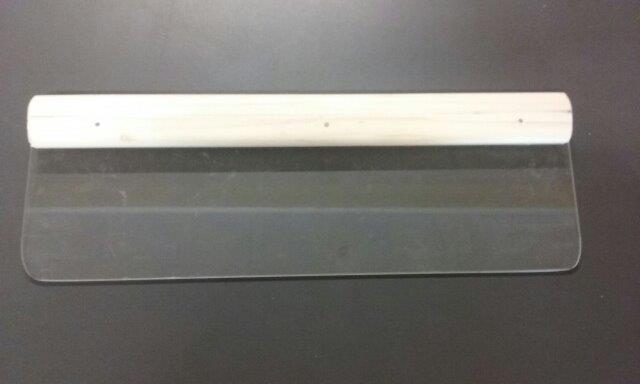
Spreading leather on the platen also affects the result. Slickers help smooth it before the cycle. Photographs, dimensions and machine model help us identify preparation accessories and fastening details.
Platen temperature and leather temperature are different
The platen setpoint is not the temperature reached by the grain during the cycle. With an indicative platen range of 40–60 °C, leather response varies with vacuum, time, initial moisture and leather type. We assess actual leather temperature using a contact wire-probe thermometer, including the maximum reached during the cycle.
Where feasible, working around 42 °C on the leather is a target to assess through trials, not a universal recipe or an automatic platen setting. Grain temperature is a process measurement; it does not on its own establish the boiling temperature of water within the leather. Absolute pressure and actual processing conditions also matter.
On-site trials and Danese support
We have the measuring instrument and can arrange customer-site trials. We compare vacuum dryer behaviour, leather temperature and the result to seek gentler drying conditions suited to the product. Support combines parts selection with assessment of how the system performs.
Discuss your vacuum dryer
Send the machine make, model, platen dimensions, part photographs and the problem or result you want to improve. We can assess parts, measurements and availability of an on-site trial together.